Blog
In franchising, most first-time investors obsess over branding, design, marketing, footfall, and competition. But the true difference between a high-performing franchise outlet and an average one is almost always the same:
Customer Experience (CX).
CX is not just “service.”
CX is not just “smiling staff.”
CX is not just “clean tables.”
CX is the engine that drives:
- repeat customers
- revenue stability
- customer loyalty
- word-of-mouth
- organic growth
- online reputation
- customer trust
A well-engineered customer experience can increase a franchise’s revenue by 20% to 40% without increasing marketing spend.
In this blog, we break down what Customer Experience Engineering means, why most franchisees underestimate it, how review patterns reveal operational gaps, and how CX can become the most reliable growth engine in your franchise.

🌟 Why Customer Experience Matters More Than Most Franchisees Realize
Your brand attracts a customer once.
Your customer experience brings them back.
Repeat customers cost nothing.
New customers cost heavily.
This is why:
CX = the cheapest and most powerful marketing tool in franchising.
Most franchisees believe customers come back for:
- product taste
- packaging
- brand recognition
- pricing
- location convenience
While these matter, none are as predictive as the experience the customer receives.
People don’t remember transactions.
They remember experiences.
🌟 Customer Experience = 3 Pillars
Every franchise outlet’s customer experience is shaped by these three pillars:
✔️ 1. Speed
✔️ 2. Consistency
✔️ 3. Staff Behaviour
If even one pillar weakens, the experience collapses.
Let’s break each down.
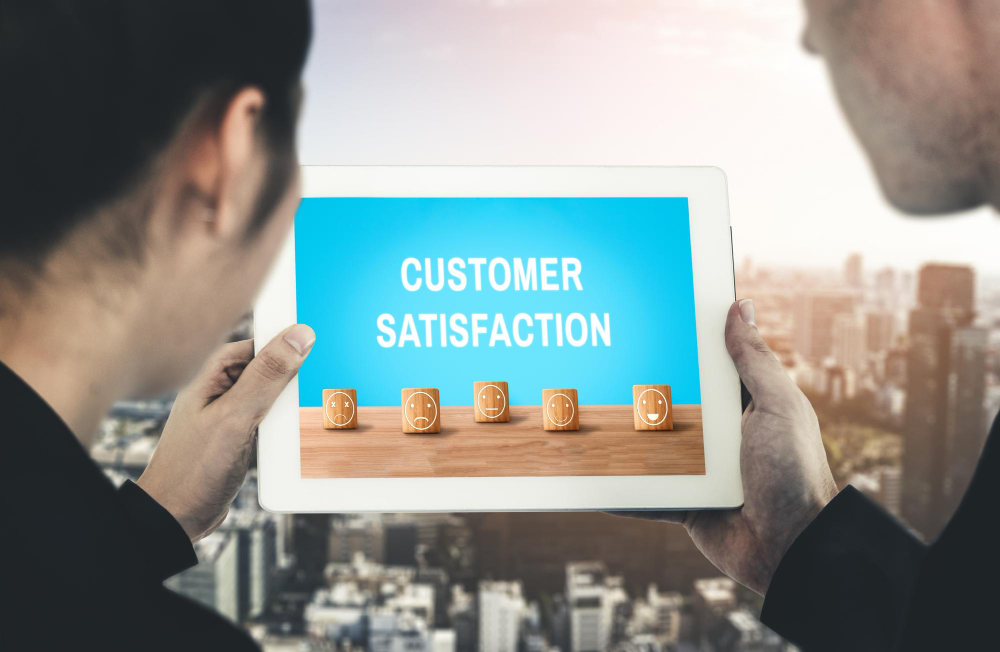
⚡ 1. SPEED — The Silent Driver of Customer Satisfaction
Speed of service plays a bigger role than most franchisees realize.
Customers tolerate:
- high prices
- small inconveniences
- minor errors
…but they do not tolerate SLOW service.
Slow service triggers:
- frustration
- complaints
- negative reviews
- lower repeat visits
- higher cancellations
- lower peak-hour revenue
Speed is especially crucial in:
- QSR
- cafés
- salons
- clinics
- service centers
- cloud kitchens
Fast service is not about rushing — it’s about clear processes.
Speed is a system, not a mood.
Fast outlets have:
- defined station responsibilities
- pre-prep cycles
- buffer stock
- trained shift leaders
- time-based SOPs
- queue management systems
Slow outlets blame:
- staff
- crowd
- peak hours
- equipment
Speed is the result of operational design — not effort.
🎯 2. CONSISTENCY — The Foundation of Trust
A customer should get the same experience across:
- different staff
- different shifts
- different days
- different crowd levels
- different seasons
Most struggling franchises have inconsistent:
- taste
- service quality
- communication tone
- hygiene
- pricing
- order accuracy
If a customer receives inconsistent experience, trust erodes.
When trust erodes:
- repeat frequency declines
- complaints rise
- revenue becomes unstable
Consistency is what turns:
- walk-ins into regulars
- regulars into loyalists
- loyalists into evangelists
Consistency is engineered through:
- SOPs
- staff training
- quality audits
- real-time monitoring
- manager accountability
Consistency creates predictability.
Predictability creates trust.
Trust creates long-term revenue.
🤝 3. STAFF BEHAVIOUR — The Human Side of CX
The most powerful part of customer experience is people.
Customers remember:
- tone
- eye contact
- smile
- body language
- willingness to help
- clarity in communication
- problem resolution
A customer may forget the product taste, but they never forget:
- rude behaviour
- indifference
- lack of attention
- blame-shifting
- lack of professionalism
Staff behaviour directly controls:
- repeat rate
- review scores
- online reputation
- average bill value
- customer loyalty
Strong staff culture requires:
- hiring for attitude
- training for behaviour
- clear service expectations
- daily briefings
- recognition and rewards
- emotional stability guidelines
Most franchisees focus on marketing but neglect training.
The problem is:
Marketing gets customers in. Staff behaviour keeps them in.
🌟 The Review Pattern Model (RPM): Your Diagnostic Tool
Reviews don’t just show whether customers are happy — they show what kind of operational issues your outlet has.
The Review Pattern Model identifies three types of patterns:
Pattern 1: Staff & Behaviour Issues
These reviews include words like:
- “rude”
- “ignored”
- “unprofessional”
- “attitude problem”
- “no greeting”
- “staff doesn’t know”
- “no explanation”
When you see behaviour-related complaints:
- team culture is weak
- training is inconsistent
- shift leaders are inactive
- owner involvement is reactive
This triggers:
- fewer repeat visits
- poor word-of-mouth
- negative momentum
Behaviour issues require immediate training interventions.
Pattern 2: Speed & Wait-Time Issues
Look for:
- “slow service”
- “long wait”
- “chaos during rush”
- “delayed delivery”
- “too crowded”
This means:
- prep cycles are weak
- team distribution is unplanned
- order flow is inefficient
- equipment layout is poor
Speed issues cost outlets the MOST revenue, especially during peak hours.
Pattern 3: Quality & Consistency Issues
Look for:
- “not same as last time”
- “taste changed”
- “poor quality today”
- “inconsistent”
- “varies by staff”
This indicates:
- no quality control
- poor SOP adherence
- inconsistent measurement
- absence of proper shift audits
Consistency issues damage trust more than anything else.
🌟 How to Engineer 5-Star Customer Experience
Here is the IAMRONAK CX Engineering Blueprint:
1. The 3-Minute Rule
Any customer entering should be:
- greeted
- acknowledged
- informed
within 3 minutes.
2. The 20-Second Eye Contact Rule
Staff should make eye contact within 20 seconds:
- when customer enters
- when they are waiting
- when they need help
Eye contact reduces customer anxiety instantly.
3. The 5-Touch Model
Customer should receive 5 positive touchpoints:
- Greeting
- Help/Guidance
- Service delivery
- Feedback check
- Farewell
This increases repeat business dramatically.
4. The 90-Second Resolution Rule
All complaints should be resolved within 90 seconds — or acknowledged professionally.
Customers forgive mistakes.
They don’t forgive poor handling of mistakes.
5. Weekly Training Cycles
- behaviour
- communication
- SOP refresher
- hygiene discipline
- conflict handling
High-performing outlets train weekly, not monthly.
6. Manager Scorecards
Managers should be evaluated on:
- complaint resolution
- repeat rate
- review score trends
- staff performance
- SOP compliance
- hygiene audit
Managers determine 60% of the outlet’s CX strength.
🌟 CX = Hidden Revenue Engine
Customer Experience Engineering improves:
✔️ Repeat Customers
Your most profitable segment.
✔️ Average Bill Value
Happy customers buy more.
✔️ Conversion Rates
Good behaviour converts window shoppers.
✔️ Organic Marketing
Positive reviews reduce marketing cost.
✔️ Word-of-Mouth
The strongest growth driver.
✔️ Customer Trust
Trust creates long-term loyalty.
✔️ Revenue Stability
Predictable experience = predictable revenue.