Blog
Small cities in India are emerging as strong business destinations for first-time entrepreneurs and budget-conscious investors. Rising disposable incomes, changing food habits, and growing demand for branded experiences have created new opportunities beyond metro markets. At the same time, lower rentals and operating costs make these cities more forgiving for new businesses.
For many aspiring entrepreneurs, a low investment food franchise in small cities offers a practical way to enter the food business with reduced risk. With a proven brand, structured operations, and controlled costs, food franchises provide a safer alternative to starting an independent outlet from scratch.
Why Small Cities Are Ideal for Low-Investment Food Franchises
Tier 2 and Tier 3 cities offer a unique advantage for affordable food franchise models. Unlike metro cities, competition is lower and customers tend to be more loyal to brands they trust.
Several industry reports indicate that over 40% of organised food service expansion in India is now happening in non-metro cities, driven by aspirational youth populations and increasing urbanisation. This shift makes small towns a natural fit for value-driven and budget-friendly franchise formats.
What Is Considered a Low-Investment Food Franchise in India?
In the Indian market, a low-investment food franchise typically falls within a total setup range of ₹5 lakhs to ₹30 lakhs. These models are designed to keep capital requirements manageable while ensuring operational simplicity.
Such franchises usually feature:
- Compact outlet or kiosk formats
- Limited but high-demand menus
- Faster setup and launch timelines
- Lower staffing and inventory needs
This is why many Franchise Investment Under 30 Lakhs in India options perform better in small cities than in saturated metro locations.
Best Low-Investment Food Franchise Models for Small Cities
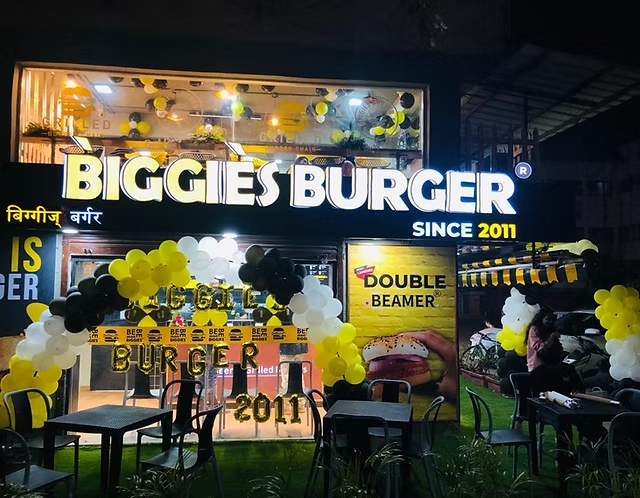
Kiosk and Compact Outlet Food Franchises
Kiosk-based formats are among the most popular low-cost franchise options in small towns. They require minimal space and work well in high-footfall areas such as markets, near colleges, and transportation hubs.
These models are preferred because they reduce rental costs and simplify daily operations, making them ideal for first-time investors.
Tea, Coffee, and Beverage Franchises
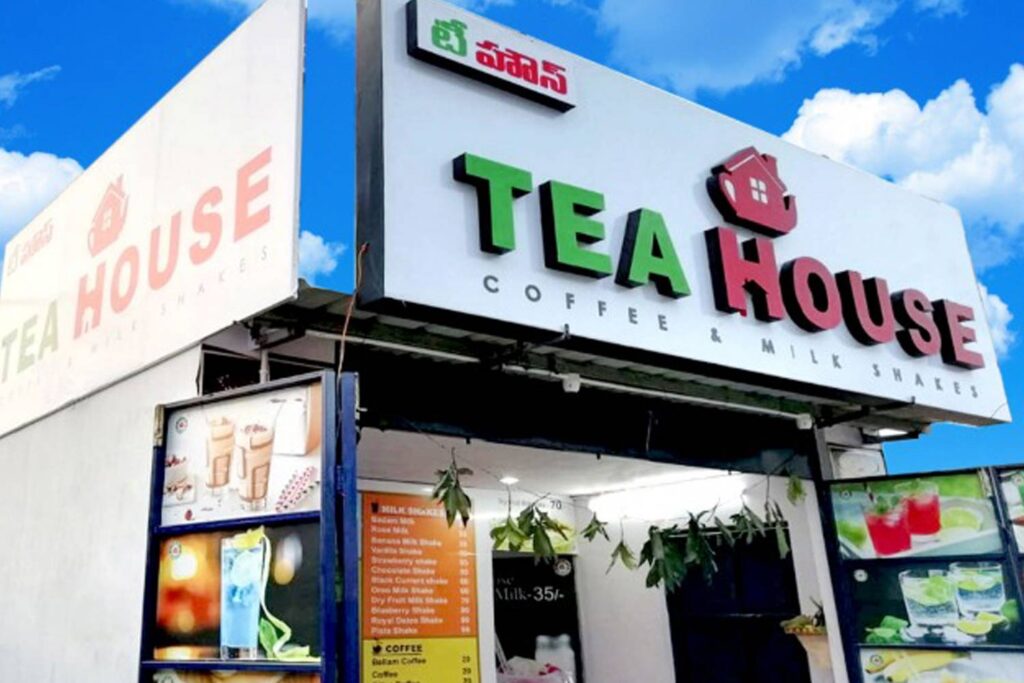
Tea cafés and beverage-focused brands are some of the most affordable food franchise options in India. Their success in small cities is driven by repeat consumption, simple processes, and strong youth appeal.
Many investors exploring an affordable food franchise in India begin with beverage concepts due to their lower equipment and staffing requirements.
Snack and Quick-Bite Food Concepts
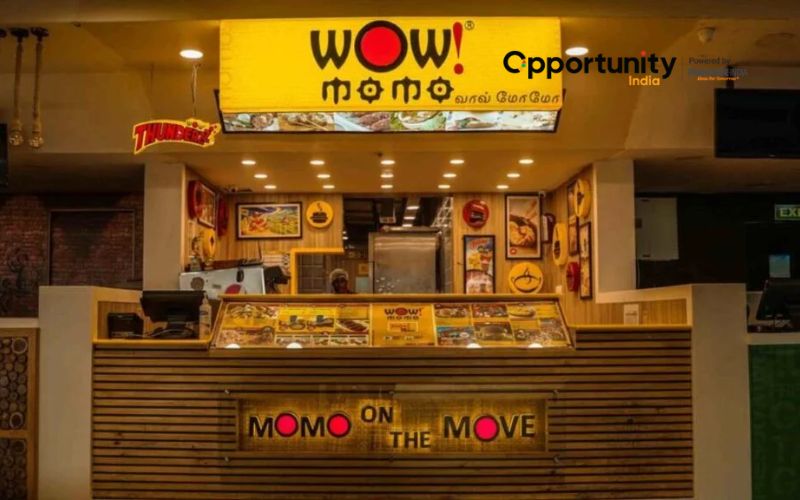
Snack-based franchises offering momos, rolls, sandwiches, or Indian street food adaptations often perform consistently in small cities. These products align well with local taste preferences and price sensitivity.
Their limited menu structure helps control costs and improves operational efficiency.
Understanding the Complete Cost Before Investing
When evaluating a low investment food franchise in small cities, many investors focus only on the franchise fee. However, long-term sustainability depends on understanding the full cost structure.
Expenses typically include interiors, equipment, licenses, initial inventory, and working capital. For investors who want a clear understanding of realistic budgeting, this guide on Franchise Investment Under 30 Lakhs in India explains how costs are structured across different franchise formats.
Profitability and Break-Even Expectations
Low investment franchises offer steady returns when managed correctly, but expectations must remain realistic. Revenue depends heavily on location, footfall, and operational discipline rather than brand name alone.https://iamronak.com/franchising-in-citiesz
Most successful low-cost food franchises in small cities achieve break-even within 12 to 18 months. Investors who want a clearer picture of income potential can refer to this detailed breakdown on how much you can earn from a food franchise in a small city, which explains margins and revenue cycles transparently.
Who Should Consider a Low-Investment Food Franchise?
This business model is particularly suitable for:
- First-time entrepreneurs
- Salaried professionals seeking an additional income source
- Small business owners looking to diversify
- Families planning a stable, long-term business

Because entry barriers are lower, these franchises offer a practical starting point for those new to entrepreneurship.
Common Mistakes Budget Investors Should Avoid
One of the biggest mistakes investors make is choosing a franchise solely because it is cheap. Ignoring local demand, support systems, and working capital needs often leads to operational stress later.
Understanding these pitfalls early can save both time and money. This guide on common mistakes to avoid when buying a food franchise highlights what first-time investors should be careful about before committing.
Why Franchise Support Matters More at Lower Budgets
When capital is limited, even small errors can impact profitability. This is why structured guidance becomes especially important for low-investment franchises.
Working with a professional franchise consulting partner helps investors choose the right brand, location, and operating model. CorpCulture follows a systematic approach through its Franchise Culture Framework, ensuring entrepreneurs are supported from selection to scale, particularly in small-city markets.
How CorpCulture Helps You Find the Right Low-Investment Franchise
CorpCulture works with aspiring entrepreneurs to identify low investment food franchise opportunities in small cities that are aligned with real market demand. By collaborating with trusted and legacy brands, the focus remains on long-term sustainability rather than short-term gains.
Support includes city feasibility analysis, budget-based brand shortlisting, end-to-end setup guidance, and ongoing operational support—helping investors build confidence from day one.
Conclusion
A low investment food franchise can be one of the most reliable entry points into the food business, especially in India’s rapidly growing small cities. With the right food category, realistic financial planning, and professional support, even an affordable franchise can become a stable and profitable venture.
The key is not just choosing a low-cost option, but choosing the right one for your city and long-term goals.
If you are exploring low investment food franchise opportunities in small cities and want expert guidance tailored to your budget and location, CorpCulture can help you make an informed decision.
Connect with our franchise experts and take the first step toward building a sustainable food business.