
Luxury brands operate in a world very different from mass-market businesses. While standard brands compete on pricing, convenience, and scale, luxury brands compete on perception, experience, and exclusivity. This distinction becomes even more critical in franchising, where brand dilution can quickly erode value if not carefully controlled.
To understand luxury franchising, it is essential to first understand what defines a luxury brand and why these brands follow a fundamentally different growth strategy.
The True Essence of a Luxury Brand

A luxury brand is not defined solely by what it sells, but by how it makes customers feel. At its core, luxury branding is emotional. It represents aspiration, identity, and status.
Luxury brands invest heavily in storytelling, heritage, craftsmanship, and consistency. Every detail—from materials and packaging to staff behavior and ambience—is designed to reinforce prestige. This is why luxury brands command loyalty that goes beyond rational purchasing decisions.
In franchising, this emotional equity must be protected at all costs.
Why Luxury Brands Avoid Mass Expansion
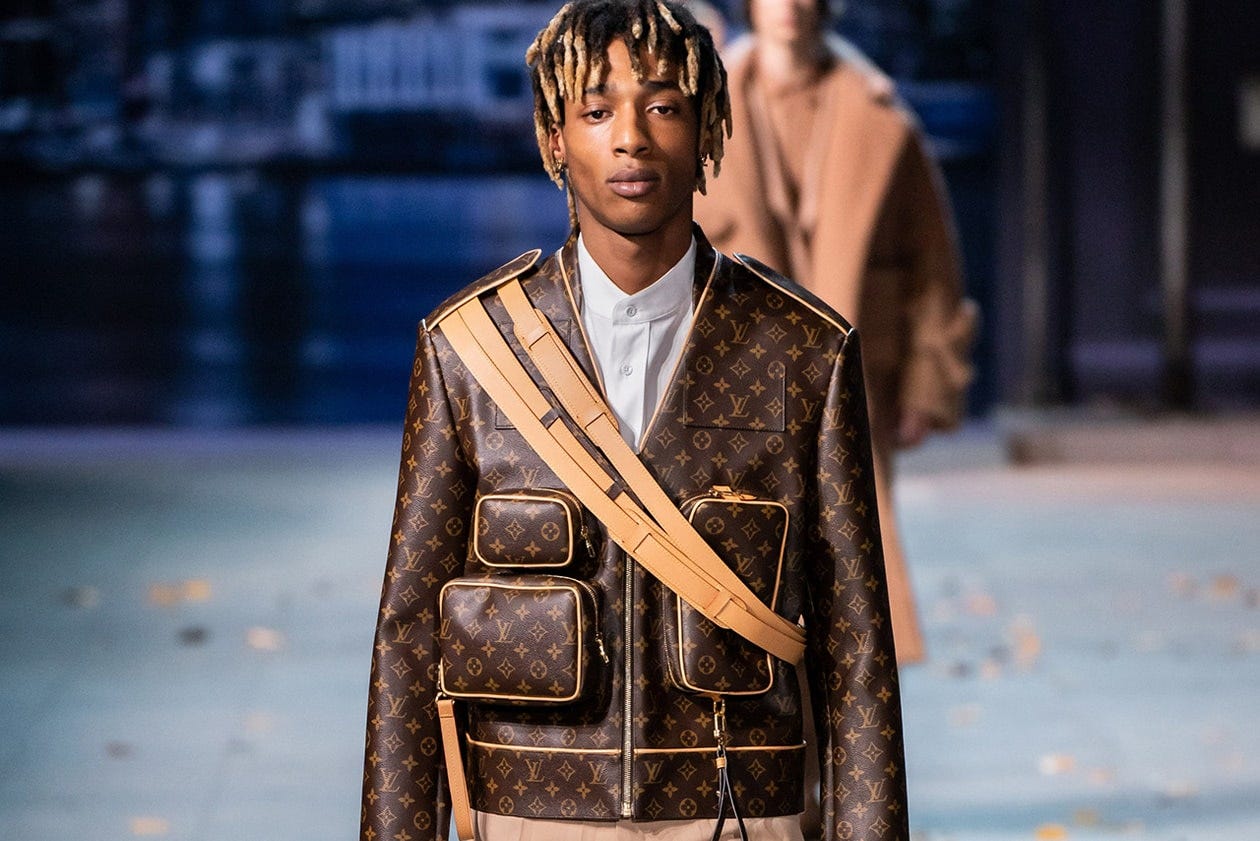
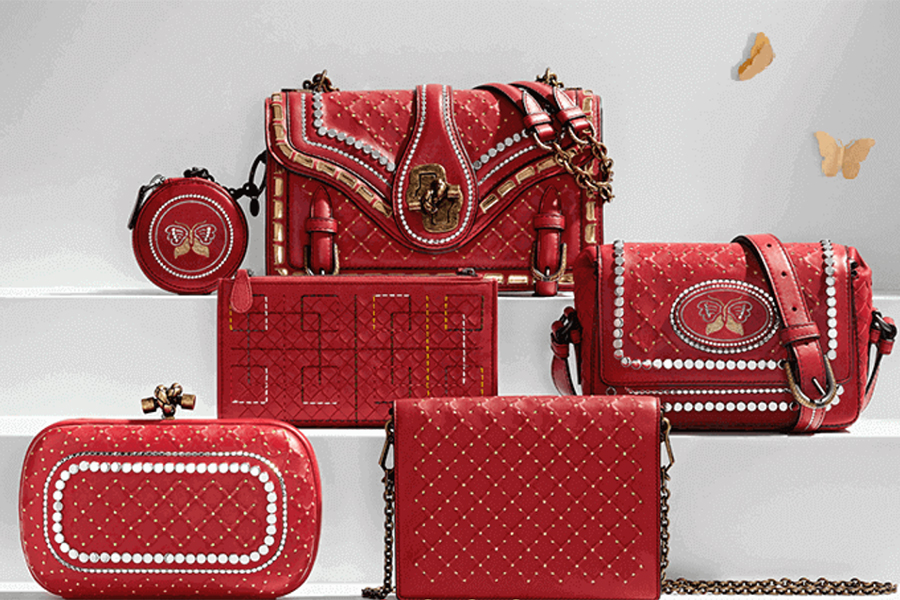
One of the most misunderstood aspects of luxury brands is their approach to growth. Unlike standard franchises that prioritize rapid expansion, luxury brands grow slowly and selectively.
Controlled expansion allows luxury brands to maintain service excellence, protect brand perception, and avoid overexposure. Scarcity plays a strategic role—limited access increases desirability and reinforces premium positioning.
In franchising, this means fewer franchise partners, fewer locations, and much stricter approval criteria.
Luxury Brands and the Experience Economy


Luxury brands do not operate in a transactional economy; they operate in the experience economy. The product is only one part of the value proposition. The environment, interaction, and personalization define the experience.
This is why luxury franchises place extraordinary emphasis on:
- Location quality
- Interior design standards
- Staff training and etiquette
- Customer relationship management
A single inconsistent experience can damage years of brand-building, making operational discipline non-negotiable.
The Luxury Consumer: Who These Brands Are Built For
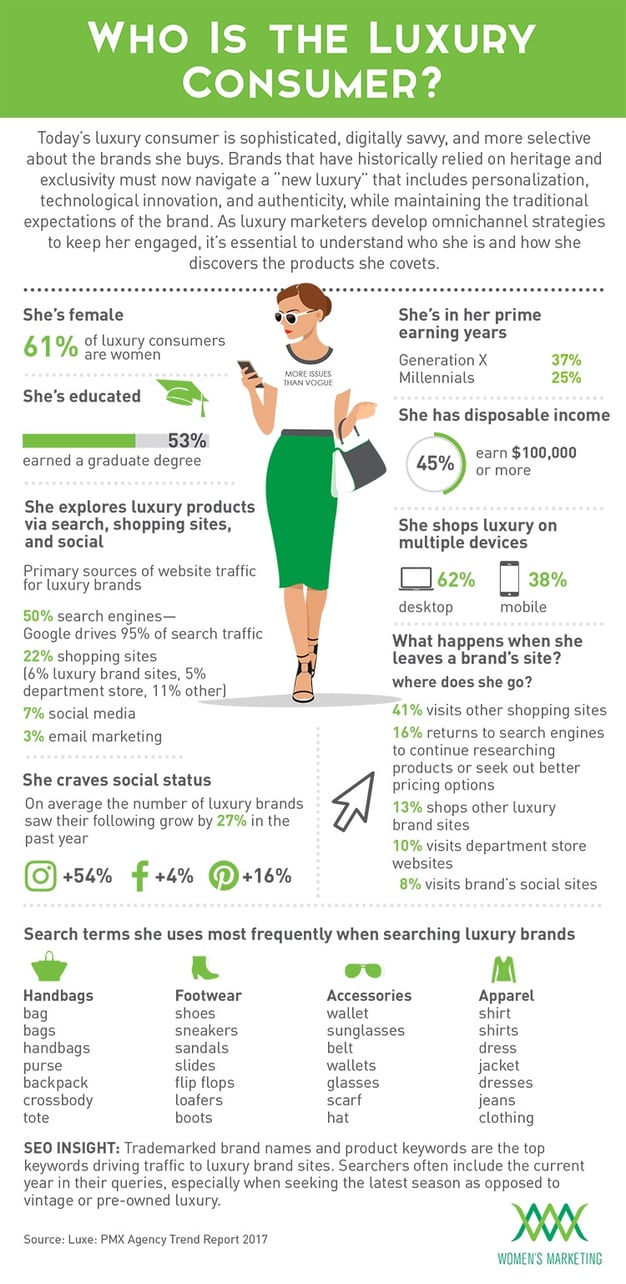
Luxury brands are designed for a specific customer segment—affluent, experience-driven, brand-conscious consumers. These customers are not price-sensitive; they are value-sensitive.
They seek privacy, personalization, and emotional resonance. Once trust is established, loyalty tends to be deep and long-lasting. For franchise investors, this results in lower customer volumes but significantly higher lifetime value per customer.
What Luxury Branding Means for Franchise Investors

Investing in a luxury franchise is not simply a financial decision—it is a brand stewardship responsibility. Luxury franchisors expect their partners to align with brand values, not just profit goals.
Investors must be prepared to prioritize quality over shortcuts, consistency over flexibility, and long-term brand equity over short-term gains. In return, they gain access to premium clientele, strong brand reputation, and resilient business models.
How This Supports Luxury Franchising as a Business Model
Luxury brands form the foundation of luxury franchising. Their emphasis on control, experience, and exclusivity explains why luxury franchise licenses are selective and why investment thresholds are higher.
Understanding luxury branding is essential before evaluating:
- Luxury franchise opportunities
- Brand approval processes
- Investment and compliance requirements
Final Thoughts
Luxury brands succeed because they resist dilution. Their power lies in restraint, precision, and emotional value. In franchising, this discipline becomes even more critical.
For investors who understand the mindset behind luxury branding, franchising in this space is not just a business opportunity—it is a long-term prestige asset.